
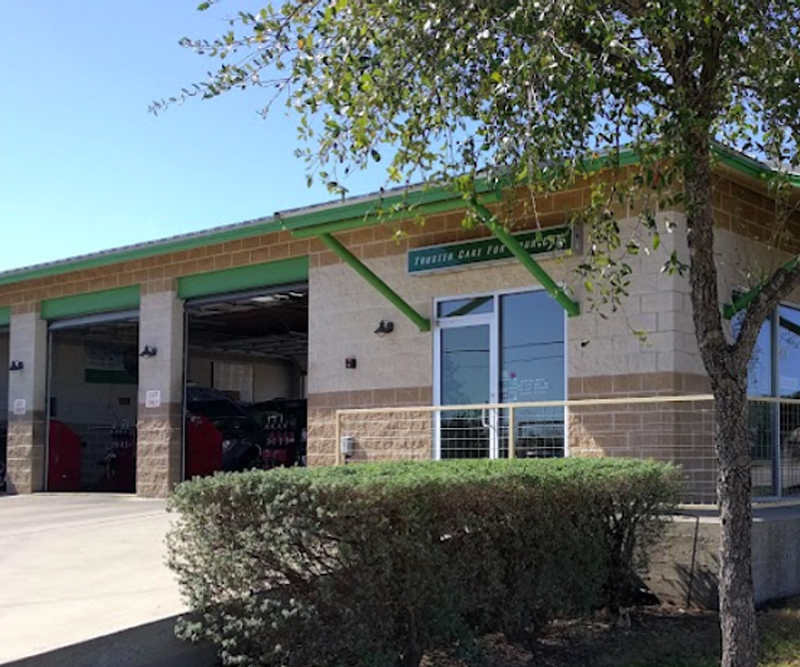
What Makes a Location Ideal for an Automotive Service Center in Texas?
When evaluating automotive service center real estate, location is one of the most important performance drivers. In Texas markets like Dallas–Fort Worth and Austin, the right site can significantly influence long-term durability, customer throughput, and asset value.
Automotive service centers are highly site-dependent assets. Unlike general retail properties, success depends on vehicle access, visibility, and surrounding traffic patterns. Here’s what investors and operators should evaluate when selecting an ideal location in Texas.
Why Location Matters More for Automotive Properties
Automotive service centers rely on:
- Recurring local customers
- High-visibility corridors
- Convenient ingress and egress
- Efficient vehicle flow
Because customers typically choose convenience over brand loyalty, the real estate itself plays a critical operational role.
Why Off-Market Deals Matter in Texas
Texas continues to experience population growth, business expansion, and strong commercial demand — especially in Dallas–Fort Worth and Austin. In competitive markets, publicly listed properties often attract multiple offers.
Off-market commercial real estate acquisitions in Texas offer several potential advantages:
- Reduced competitive pressure
- More flexible negotiation terms
- Early access to repositioning opportunities
- Direct communication with ownership
However, these deals require disciplined sourcing and local insight.
1. Traffic Counts and Visibility
In Texas metros, strong traffic counts are essential.
Ideal automotive service center real estate typically features:
- Placement along major arterial roads
- Visibility from multiple lanes of traffic
- Clear signage opportunities
- Proximity to daily commuter routes
In DFW and Austin, suburban growth corridors often provide optimal visibility and demand concentration.
2. Ease of Ingress and Egress
Access design can directly impact throughput.
Investors should evaluate:
- Dedicated turn lanes
- Signalized intersections
- Multiple entry and exit points
- Safe stacking space for vehicles
Poor access can reduce customer volume even in high-traffic areas.
3. Surrounding Demographics
Vehicle dependency is strong across Texas, but submarkets vary.
Ideal locations typically demonstrate:
- High household vehicle ownership
- Growing residential density
- Stable median income levels
- Limited nearby competition
In expanding suburban corridors, these fundamentals often align to support long-term performance.
4. Site Layout and Throughput Capacity
Automotive service centers require careful alignment between building footprint and lot configuration.
Critical layout considerations include:
- Bay count and configuration
- Vehicle stacking capacity
- Adequate parking
- Safe circulation patterns
Efficient throughput supports operational profitability, which in turn strengthens long-term real estate value.
5. Competitive Positioning
Even in strong Texas markets, oversaturation can impact performance.
Investors should assess:
- Number of similar service centers nearby
- Corridor saturation levels
- Competitive pricing dynamics
- Market entry barriers
In Dallas–Fort Worth and Austin, rapid growth can create opportunity — but disciplined evaluation remains essential.
6. Long-Term Corridor Growth
Beyond current conditions, ideal automotive service center real estate benefits from:
- Ongoing residential development
- Infrastructure expansion
- Retail center growth
- Future traffic pattern improvements
Forward-looking corridor analysis supports sustainable asset positioning.
Texas-Specific Considerations
Texas presents unique advantages for automotive service properties:
- High vehicle reliance
- Limited public transportation in many submarkets
- Year-round driving conditions
- Rapid suburban expansion
These conditions create durable demand for well-located automotive assets.
A Strategic Approach to Automotive Real Estate
Identifying ideal locations requires both real estate insight and operational awareness. Automotive service center real estate performs best when site selection aligns with vehicle flow, demographic demand, and long-term growth patterns.
RAE Group evaluates these properties across Texas with a disciplined, location-first methodology designed to support sustainable performance.
Explore Automotive Service Center Real Estate Opportunities
To learn more about RAE Group’s approach to automotive service center real estate in Dallas–Fort Worth, Austin, and across Texas, connect with our team.